#About Me #My Research #Study Sites #Comet Assay #Results
I received BS's in Biology and Psychology from the University of North Carolina at Chapel Hill. As an undergraduate, I worked with Dr. Robert Voelker in the Genetics Department at the National Institute of Environmental Health Sciences (NIEHS). I helped to elucidate the molecular and genetic organization of the suppressor of sable (su(s)) gene, a transposon-mediated suppressor in Drosophila melanogaster. My work in Dr. Voelker's lab was my introduction to molecular techniques, and I learned to appreciate their potential application to a variety of biological questions. From NIEHS, I moved to Dr. Michael Topal's lab in The Lineberger Comprehensive Cancer Center at UNC-CH. In the Topal lab, I helped determine the structure and function of DNA binding and cleaving proteins. I also worked on the binding kinetics of the type IIe restriction endonuclease, NaeI. I enjoyed my time working in these labs, but something was missing. I have always been interested in environmental and conservation biology. I kept these interests alive by volunteering with local conservation groups, including The Nature Conservancy, The Triangle Land Conservancy, and the Carnivore Preservation Trust. I also enrolled in several graduate level ecology courses at UNC-CH as a continuing education student. Soon I decided it was time to unite my environmental interests with my molecular expertise, so I came to Dr. Emslie's lab in the fall of 1998.
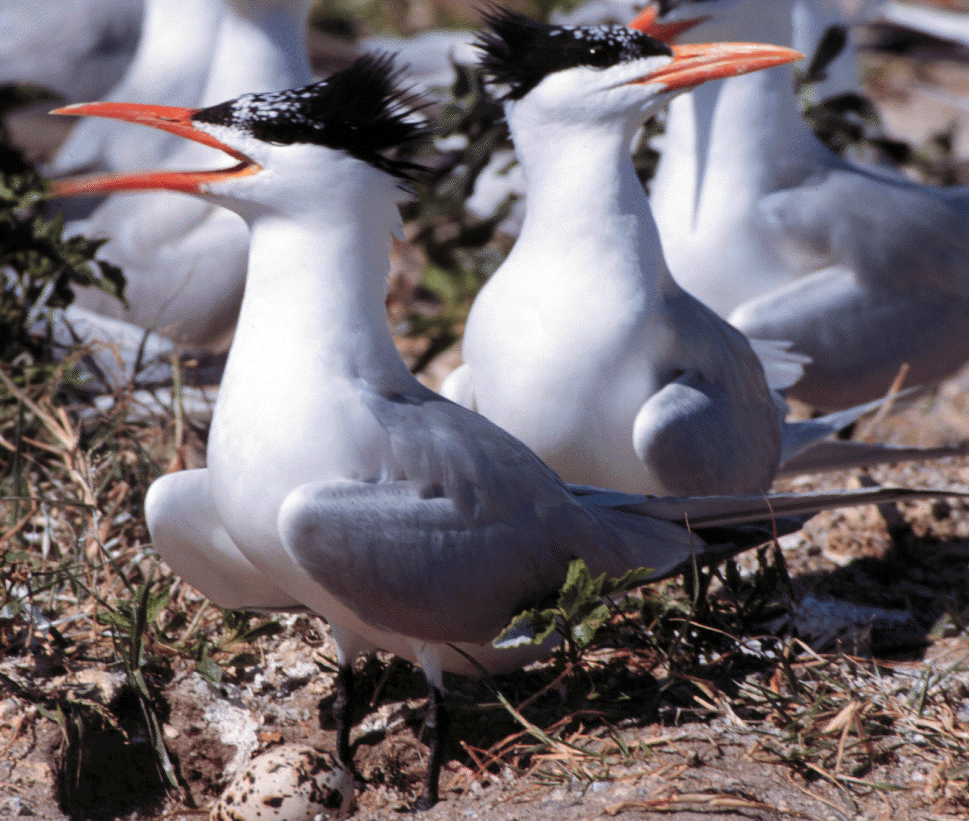
I am investigating the effects of pollutants and toxic compounds on Royal Terns by using blood samples from adults and chicks collected from four breeding colonies in North Carolina. The blood was used in a single cell gel electrophoresis assay (SCG) or comet assay which measures DNA strand breaks that can be caused by genotoxic pollutants. The adult terns were captured on the nest with a hoop net trap, or in mist nets placed near the colony. Each adult was identified by its metal band (these birds have banded since the 1970's), weighed, and had its bill length and depth measured. In collaboration with Dr. John Weske, juvenile terns were captured for banding by rounding them up in a corral. The chicks were weighed and their band numbers were recorded. Only 5-40 ml of blood was taken from each adult and juvenile bird by pricking the toe and drawing the blood into a capillary tube. The blood was then transferred into a buffer solution, placed on ice, and returned to the laboratory for processing. This investigation allows the assessment of DNA damage not only to birds at different breeding sites and foraging locations, but also to birds of different ages. Relative pollutant level exposure at each colony was ranked from cleanest to most polluted based on previously published data on water and sediment quality in coastal estuaries completed by the Environmental Protection Agency (EPA) and the Center for Marine Science Research, UNCW. I also collected several eggs from each site for use in contaminant analyses.
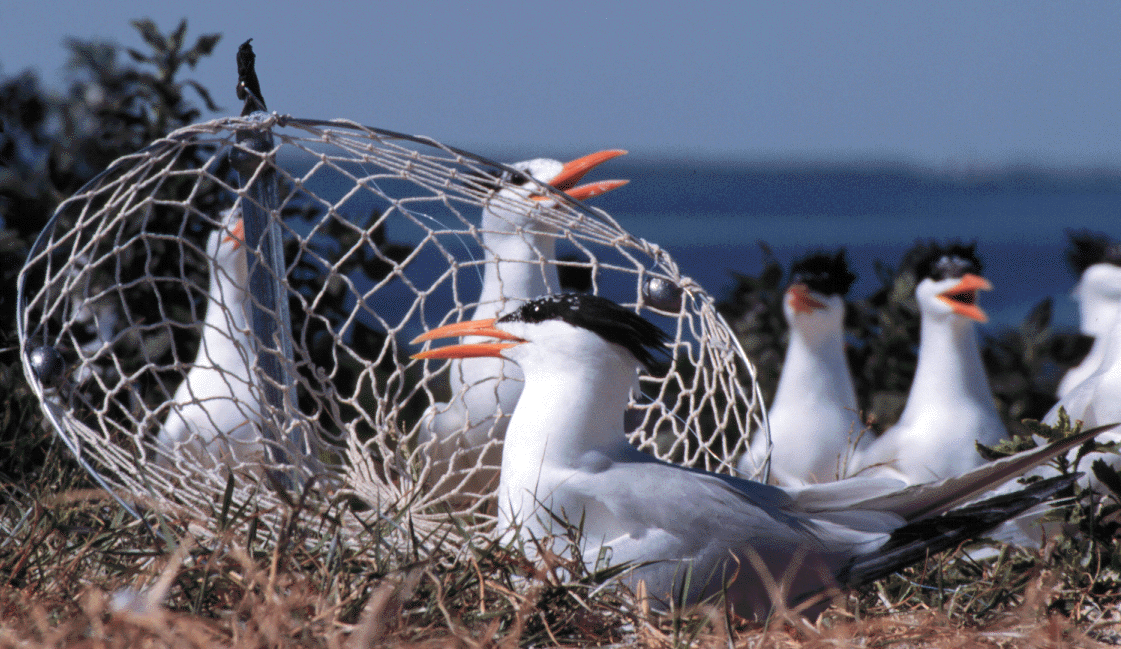
Hoop net trap for capturing adult Royal Terns
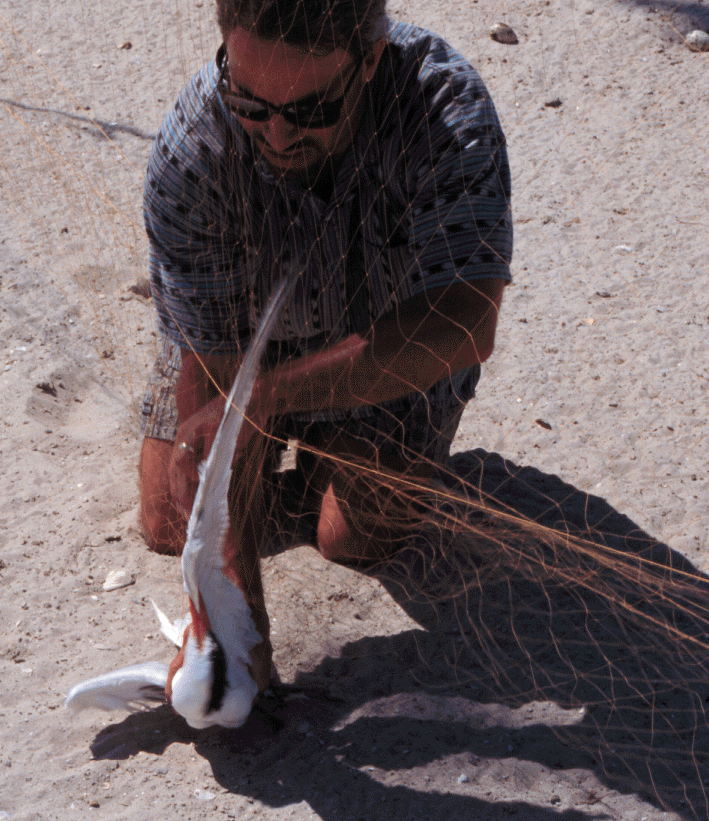
Another member of the Tern Team, Tom
McGinnis, frees
an adult tern from a mist net
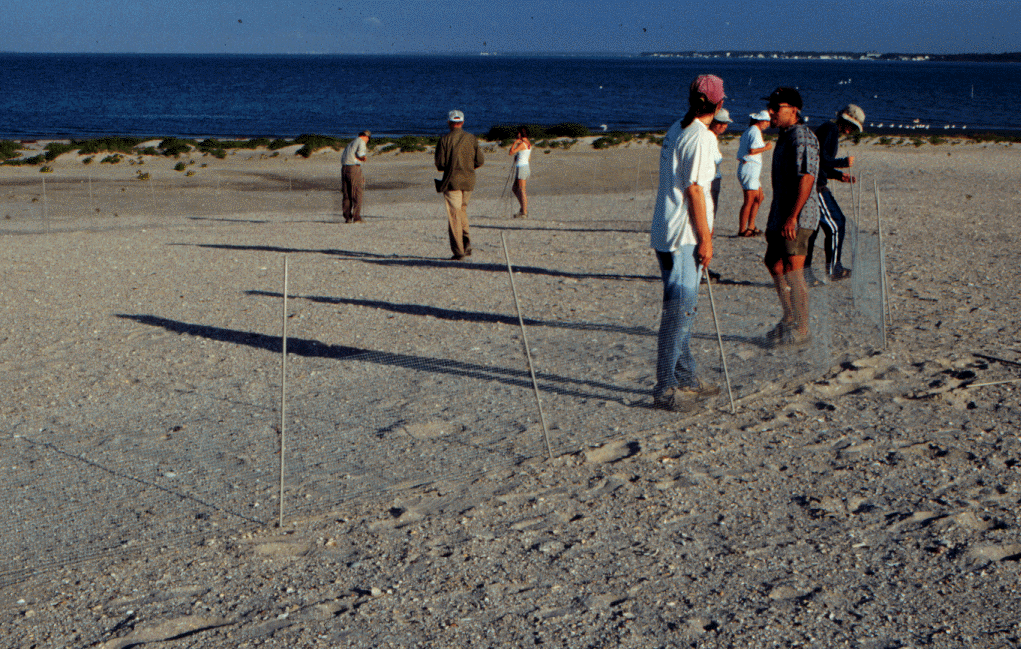
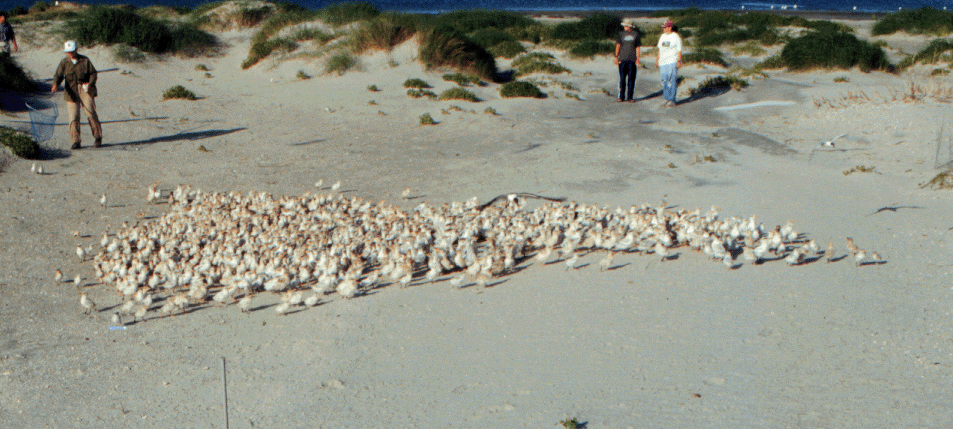
Setting up the corral Juveniles rounded up and ready for banding
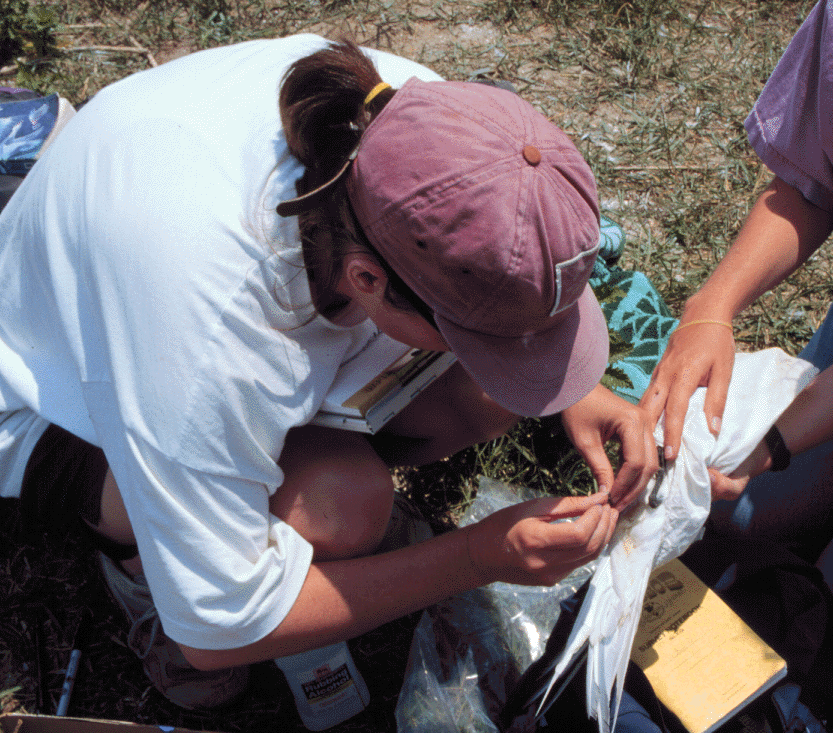
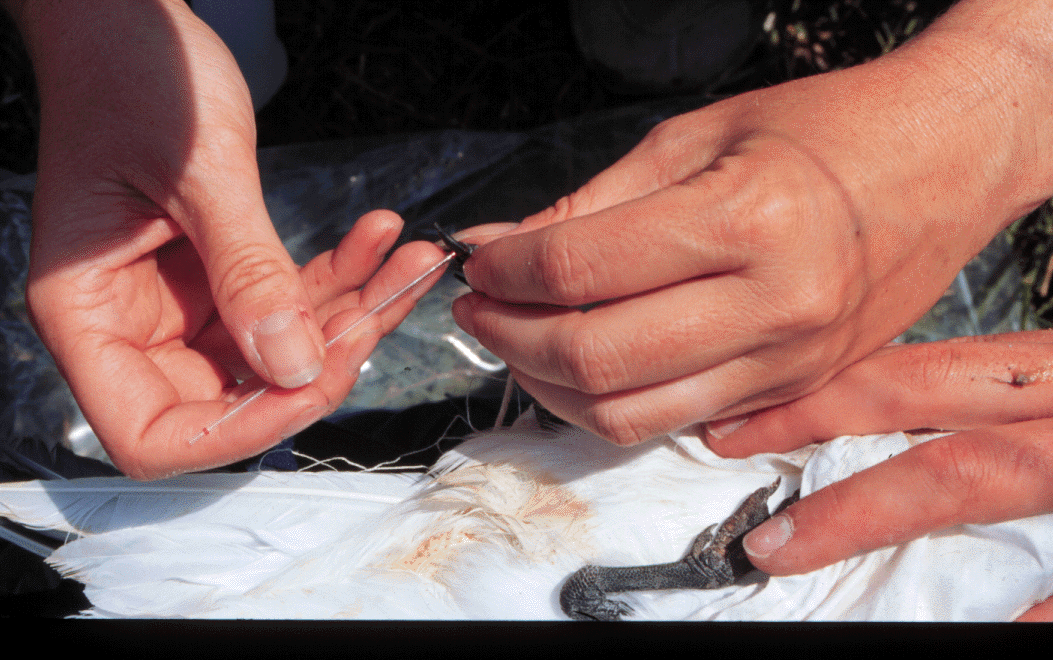
Collecting blood samples
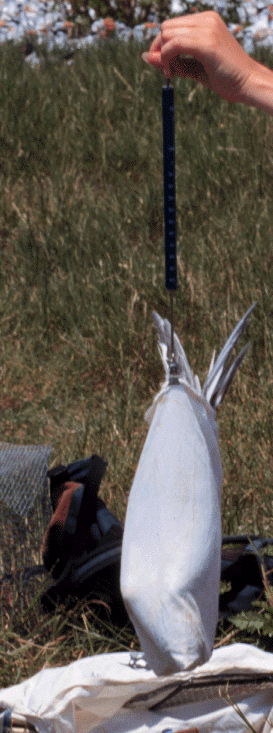
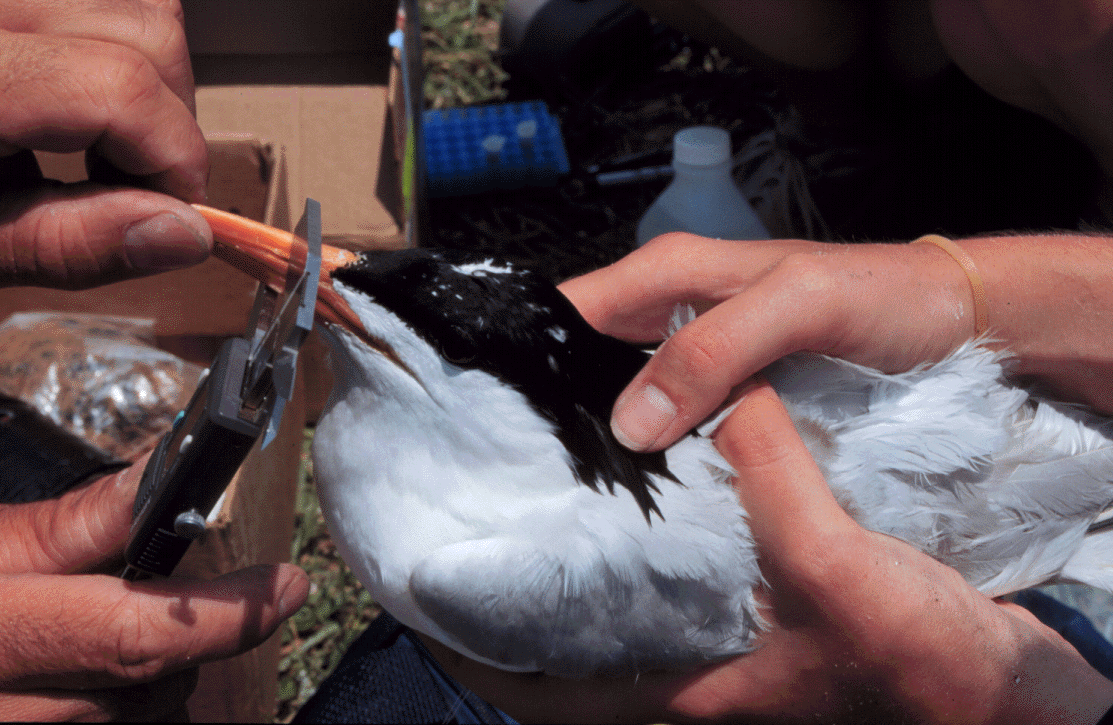
Weighing Bill Measurements
I have four breeding colonies that I collected adult terns from and five for the juveniles. Each of these sites are dredge spoil islands that terns have been returning to since the 1970's. The sites range from the Cape Fear River north to Oregon Inlet, covering several of North Carolina's estuaries. I ranked the sites according to pollutant exposure as determined from previously published data from the EPA and The Center for Marine Science Research (CMSR) at UNCW.
Table showing
study sites, ranking from most polluted to least (1-5), and
levels of key pollutants in sediments
PAHs - Polycylcic aromatic
hydrocarbons, PCBs - Polychlorinated
Biphenyls
From Hackney et al., 1998
Site |
Ranking |
STU* |
PAHs (ppb) |
PCBs (ppb) |
DDT (ppb) |
SMetals** (ppm) |
| Ferry Slip | 1 | 3.81 | 313.03 | 5.98 | 0.09 | 149.41 |
| L | 2 | 3.52 | 200.78 | 4.44 | 0.10 | 138.06 |
| Wainwright | 3 | 3.33 | 209.80 | 4.13 | 0.16 | 123.13 |
| Sand Bag | 4 | 1.10 | 15.53 | 3.27 | 0.00 | 44.81 |
| Big Foot | 5 | 0.89 | 6.75 | 2.66 | 0.00 | 30.19 |
* Total Toxicity Units determined from the specific ER-L (Effects Range - Low -- will induce adverse biological effects 10% of the time) value of each contaminant present. STU is a method of evaluating the cumulative effects of sub-lethal contaminant levels. (PAHs are not included in this value because an ER-L is not available)
** Included metals are antimony, arsenic, cadmium, chromium, copper, lead, mercury, nickel, silver, and zinc
The comet or SCG assay is a rapid, inexpensive, and highly sensitive assay for detection of DNA strand breaks (SB). SB can be created by direct/indirect acting pollutants and by repair mechanisms. The production of SB correlates well with exposure to genotoxic compounds. The biological effects of DNA damaging compounds are mutations, altered gene expression, aneuploidy, oncogene activation, sister chromatid exchanges, creation of micronuclei, and translocations. These changes can lead to cell death, fertility decline, protein dysfunction, developmental abnormalities, physiological impairment, cancer, and death. At the population level, prolonged exposure to genotoxics can lead to altered genotypic diversity, altered age class structures, decreased reproductive success, decreased populations and even extinction. SB have been used to assess genotoxic insult in a number of organisms including, humans, dolphins, rodents, turtles, tadpoles, freshwater and marine fishes, bivalves, crabs, copepods, earthworms and plants. The comet assay requires small samples of any population of eukaryotic cells. For my study, I chose to use blood cells because it is the least invasive approach to determining genotoxic exposure. The technique involves suspending a volume of cells in low melting point agarose, mounting the cells on a microscope slide, cell lysis, unwinding the DNA in an alkaline buffer, and performing electrophoresis. If the cell contains SB the DNA will migrate away from the nucleus and form a tail. More SB means that more of the DNA will move into the tail and the tail migration will be longer. The cells are stained with SYBR Green (Molecular Probes) and viewed through a fluorescent microscope. My cell analyses were performed at Integrated Laboratory Systems (ILS) in the Research Triangle Park using Kinetic Imaging's (a detailed comet assay protocol is available at this site) Komet System Software. Many thanks to Marie Vasquez, Graham Hook, and Raymond Tice from ILS for all their help.
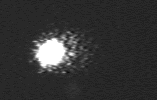
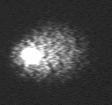
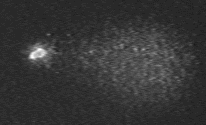
Royal Tern blood cells exhibiting low, medium, and high amounts of DNA strand breaks
I am still analyzing my data but I have some interesting results in that I have significant differences in apparent genetic damage between my study sites. These differences appear in both the juvenile and adults Royal Terns and follow the same pattern.
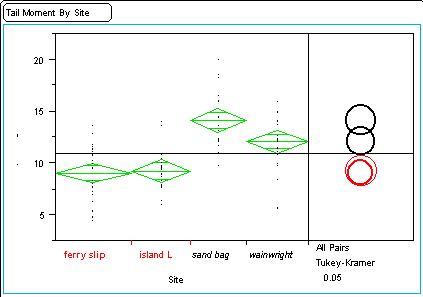
This graph shows a comparison of means for tail moment in a oneway ANOVA for adult Royal Tern from four study sites. Tail moment is a measure that integrates the percentage of DNA in the tail of a cell and the length of tail migration. Higher tail moment values indicate more strand breaks. As you can see, Sand Bag and Wainwright have significantly higher tail moment values than Ferry Slip and Island L.
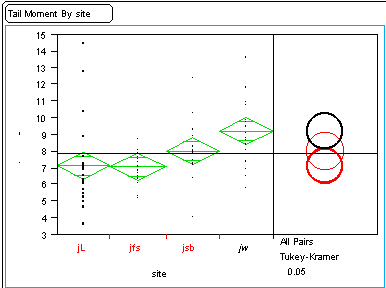
This is a similar graph depicting the same data for the juveniles from the same sites as the adults. The tail moment values from Wainwright Island are significantly higher than those from any other site. The pattern is the same in the adults and the juveniles, with individuals from Ferry Slip and Island L having lower tail moments than individuals from Sand Bag and Wainwright. These results are counter to my hypothesis that terns from more polluted sites would have higher tail moment values than terns from less polluted sites. In fact, a negative correlation exists between the comet assay results and the pollutant exposure rankings. I am currently beginning my egg contaminant analyses in hopes of resolving this discrepancy.
This work is funded by The Center for Marine Science Research and Sigma Xi.